Why Is Recycling Transformers Important?
In our lifetime, electricity has formed to into a significant tool for ordinary use.
With care and management, a transformers normal life expectancy is around 20 to 30 years.
Electrical devices, for instance, transformers are to modify an alternating current voltage that runs from one electric circuit then onto the following through electromagnetic induction. The size of transformers can vary from the size of a quarter to the size of a small car.
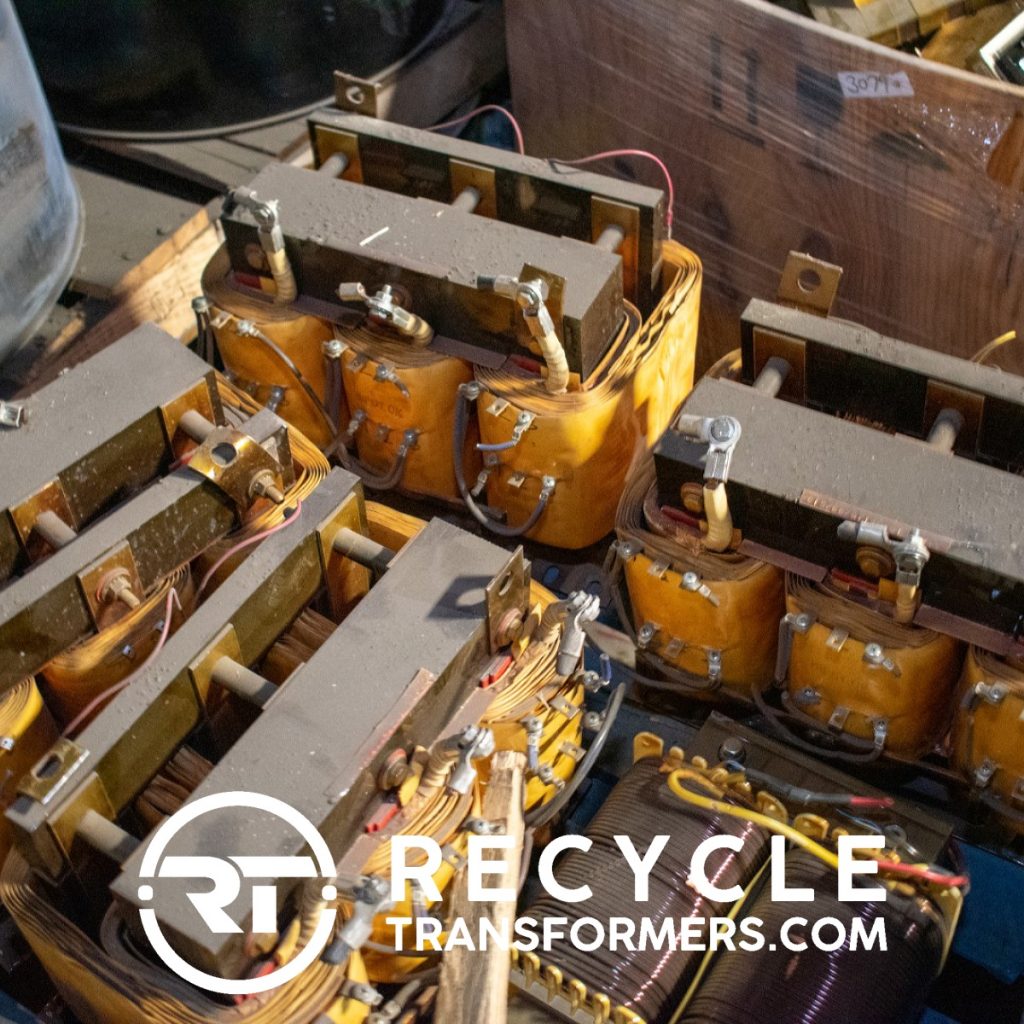
About Transformers
Transformer recycling results in the recovery of two or more coils of wire which are made of valuable material, for instance, copper and aluminum. The way process of recycling transformers ensures that the old transformers removal is safe and that the recoverable parts will be reusable.
There are three main transformers which incorporate copper (large), copper (small) and aluminum. Scraps consist of copper or aluminum windings encompassing a steel core.
Copper transformers are found in appliances like microwaves, also in power supply boxes and in power line manufacturing cast offs. These transformers are normally a higher source of energy which is in use in different electrical systems and machines.
Aluminum transformers will often be found with electrical systems and will typically be mistaken as copper transformers.
Why is it Important to Recycle Transformers?
Transformers that are near the end of their life for economic or technical use remain an environmental and legal responsibility. Scrap transformers have exposure to the threat of fire, leakage, health and environmental hazards.
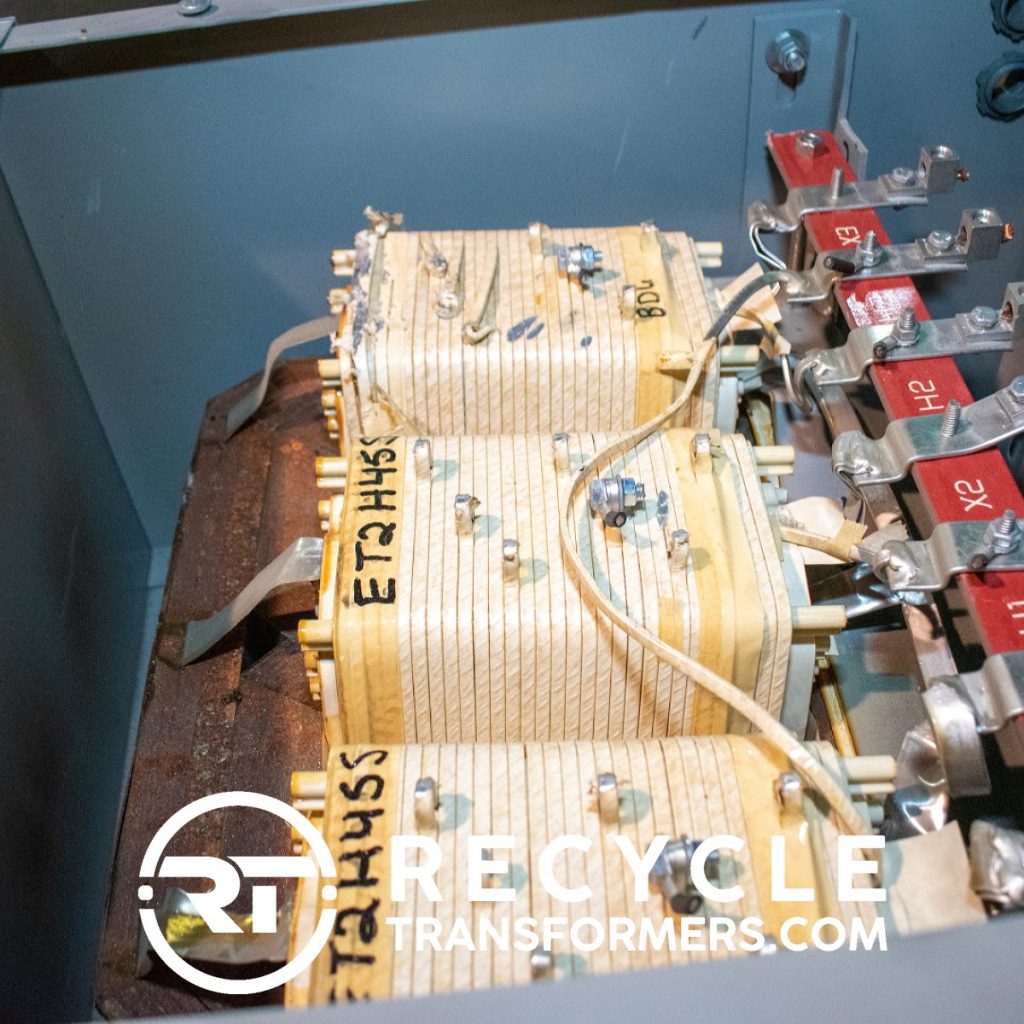
If a transformer leaks mineral oil, it can start a fire.
Transformer recycling is important because it decreases pollution and allows for proper disposal. As you recycle transformers, consider other components such as mineral oils. There are mineral oils found in electrical devices which are highly flammable, while PCB oil found in transformers is carcinogenic and unsafe for the environment. The Law of Hazardous Waste regulates the management of such waste.
PCBs have not been inside electrical transformers for right around 40 years. But, it also suggests that various transformers require hazardous waste management as signs may still be relevant.
Along these lines, PCB contamination can in any case be an issue for transformers that appear to be PCB-free which impacts transformer recycling.
Where to Recycle End-of-Life Transformers
We pay for the net weight of the material. When transformer recycling, recyclers will typically deliver the material on pallets wrapped with stretch wrap, metal or plastic stripping, or tied down. Companies sometimes deliver them loose in the back of a box or dump trucks.
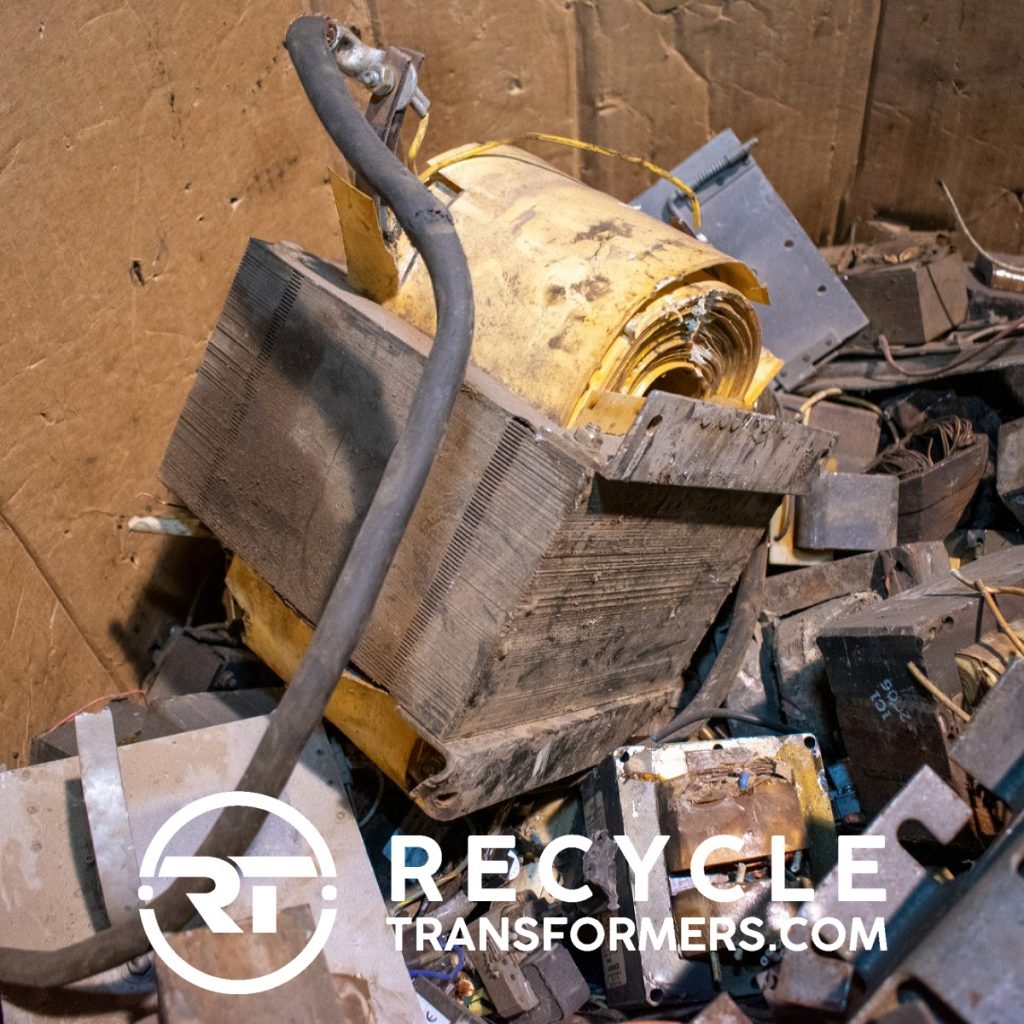
Every now and again, when transformer recycling, those deliver material in steel bins or cardboard gaylord boxes on pallets. These services that recycle transformers will save time and money, in addition to protecting the environment.
All in all, recycling diminishes the need for extracting, refining and processing raw materials all of which cause enormous amounts of air and water pollution.
Why Is Recycling Transformers Important?
We have been recycling transformers, computers, electronics and nonferrous scrap material since 1996. Let us assume responsibility for the removal of your hazardous waste. For more information on how to recycle transformers, click here to contact us.
Tags: tag1, tag2, tag3